

COMPOST BARN:
INNOVATION, WELL-BEING AND SUSTAINABILITY IN LIVESTOCK FARMING
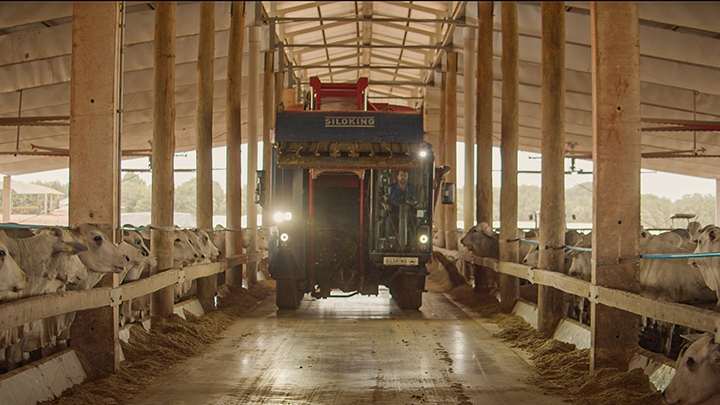
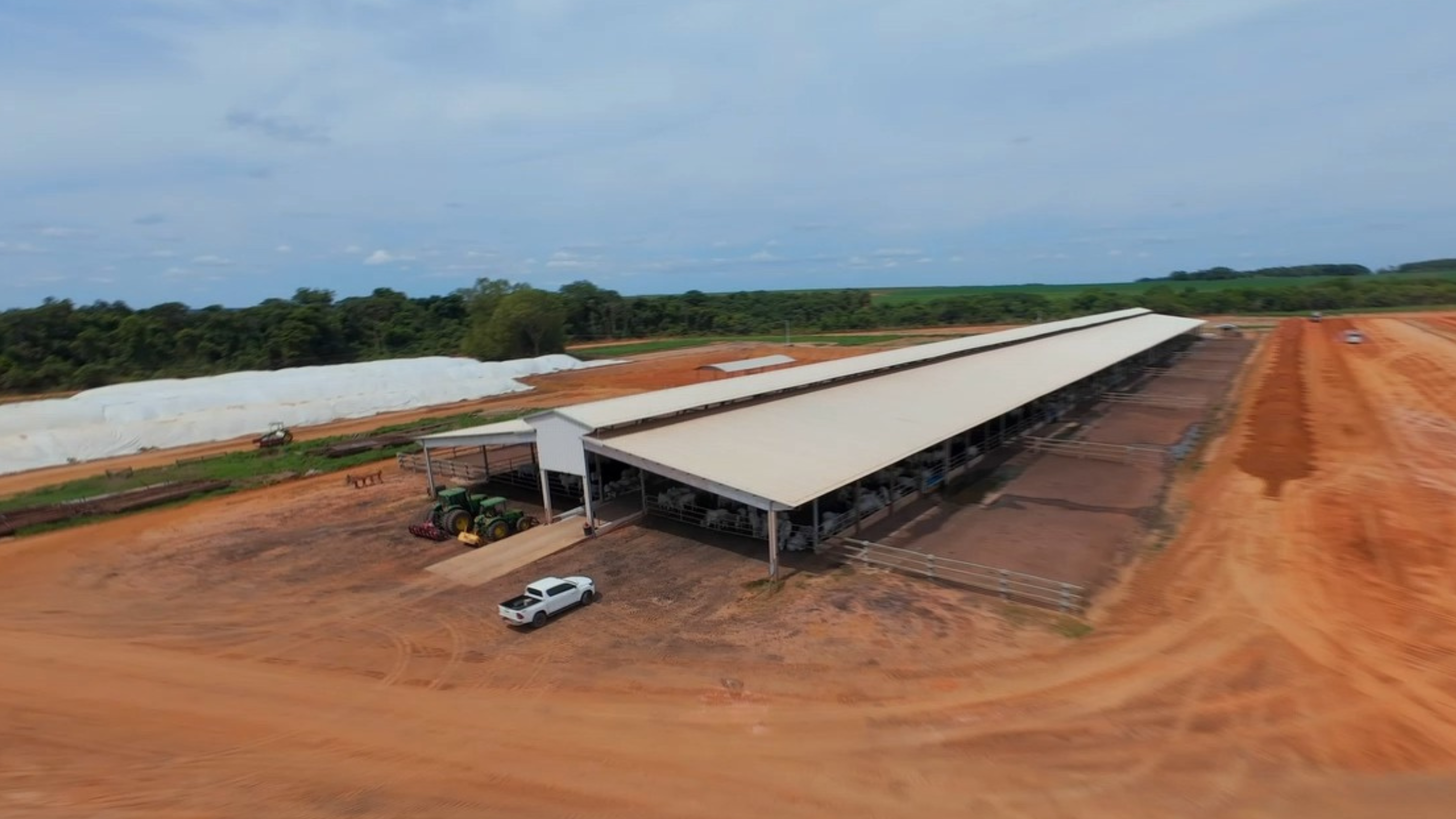
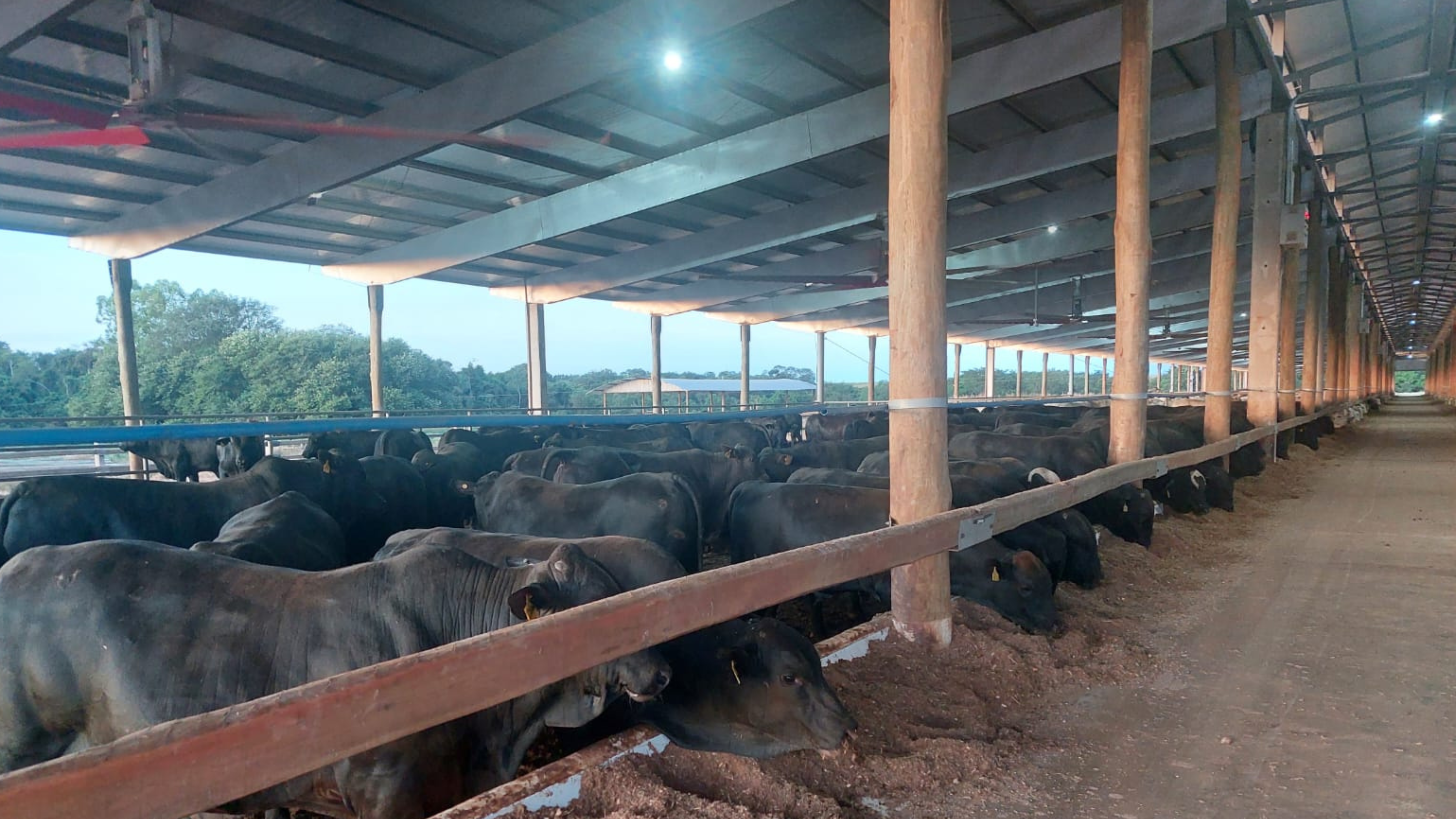
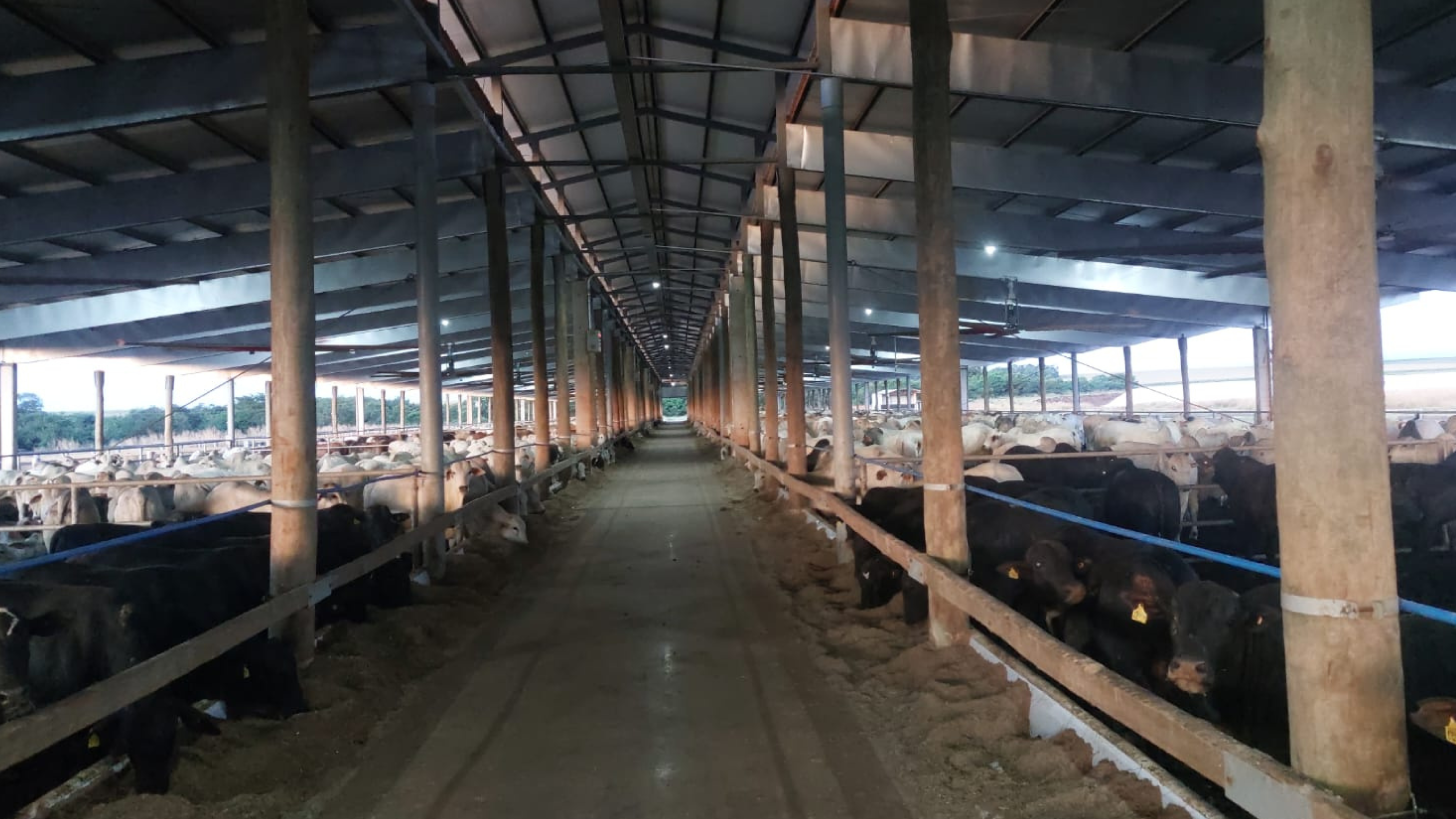
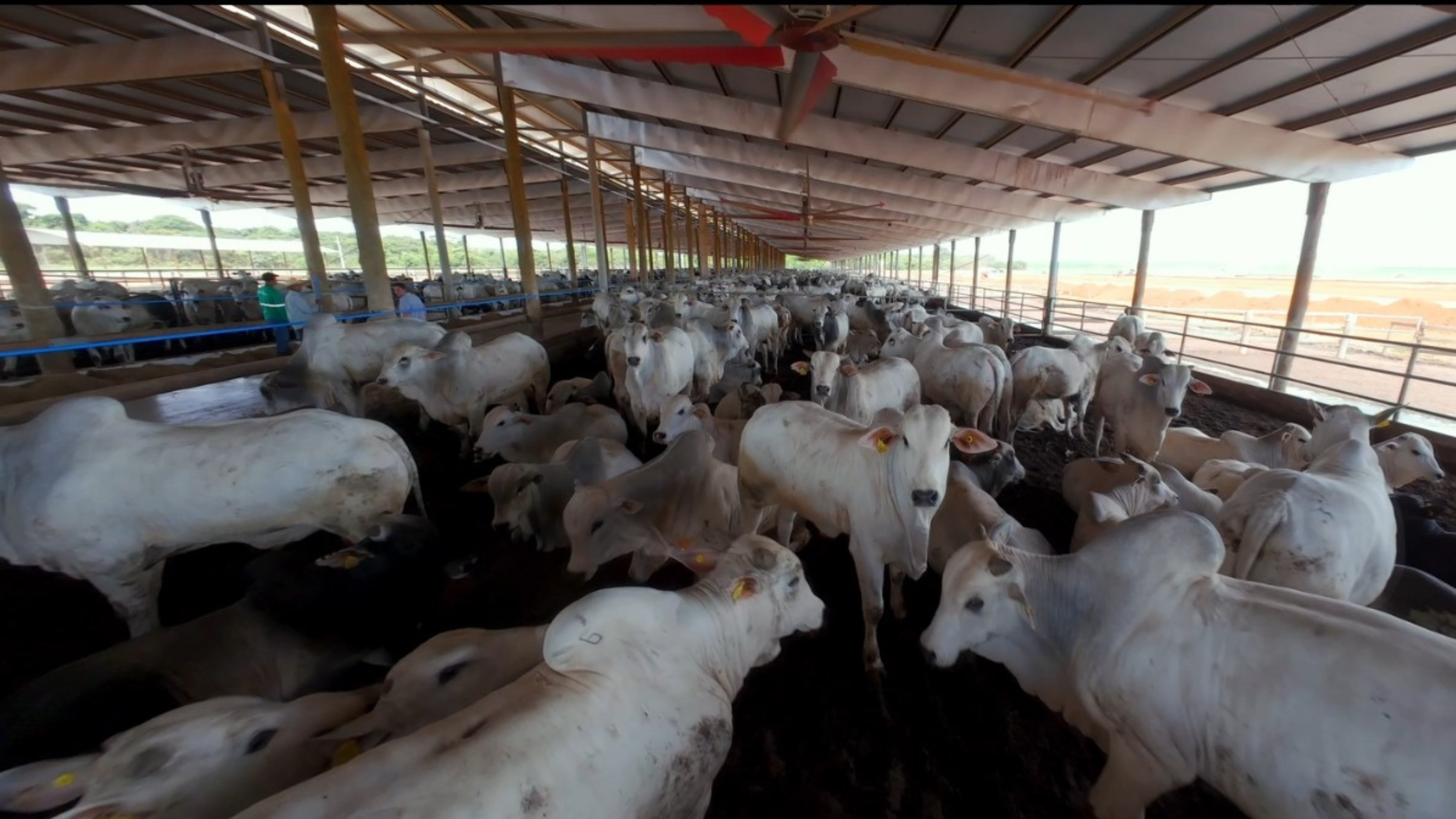
The Compost Barn system consists of a large covered space designed for animal resting and feeding, with flooring covered by an organic bedding material that is continuously managed to promote composting.
More than a physical structure, the Compost Barn represents a production concept that integrates animal well-being, operational efficiency, and environmental responsibility within a single environment. More than a structural solution, the Compost Barn is a strategy for production intensification.
The main objective of the system is to ensure animal comfort by providing an adequate environment, with good ventilation, controlled feed supply conditions, and efficient manure management. In beef production, this results in improved weight gain conversion rates, greater feed efficiency, and more uniform lots — adding more meat to the same carcass in less time.
How the System Works
The principles of the Compost Barn are based on the natural composting process. The bedding, composed of plant fibers (such as sawdust, wood shavings, briquettes, and other plant-based materials), continuously receives organic matter from animal waste, which is rich in carbon and nitrogen. This material is actively managed to ensure adequate levels of oxygenation and moisture, stimulating the activity of microorganisms responsible for aerobic decomposition.
This process raises the internal temperature of the bedding, a key factor for the degradation of organic matter and for maintaining a drier and healthier environment. As a result, there is no need for additional investments in manure storage structures, since the composted bedding itself performs this function.
In addition, a high-quality stabilized organic compost is produced and incorporated as an organic fertilizer in agricultural operations, including soybean, corn, and pasture cultivation.
Benefits and Impacts
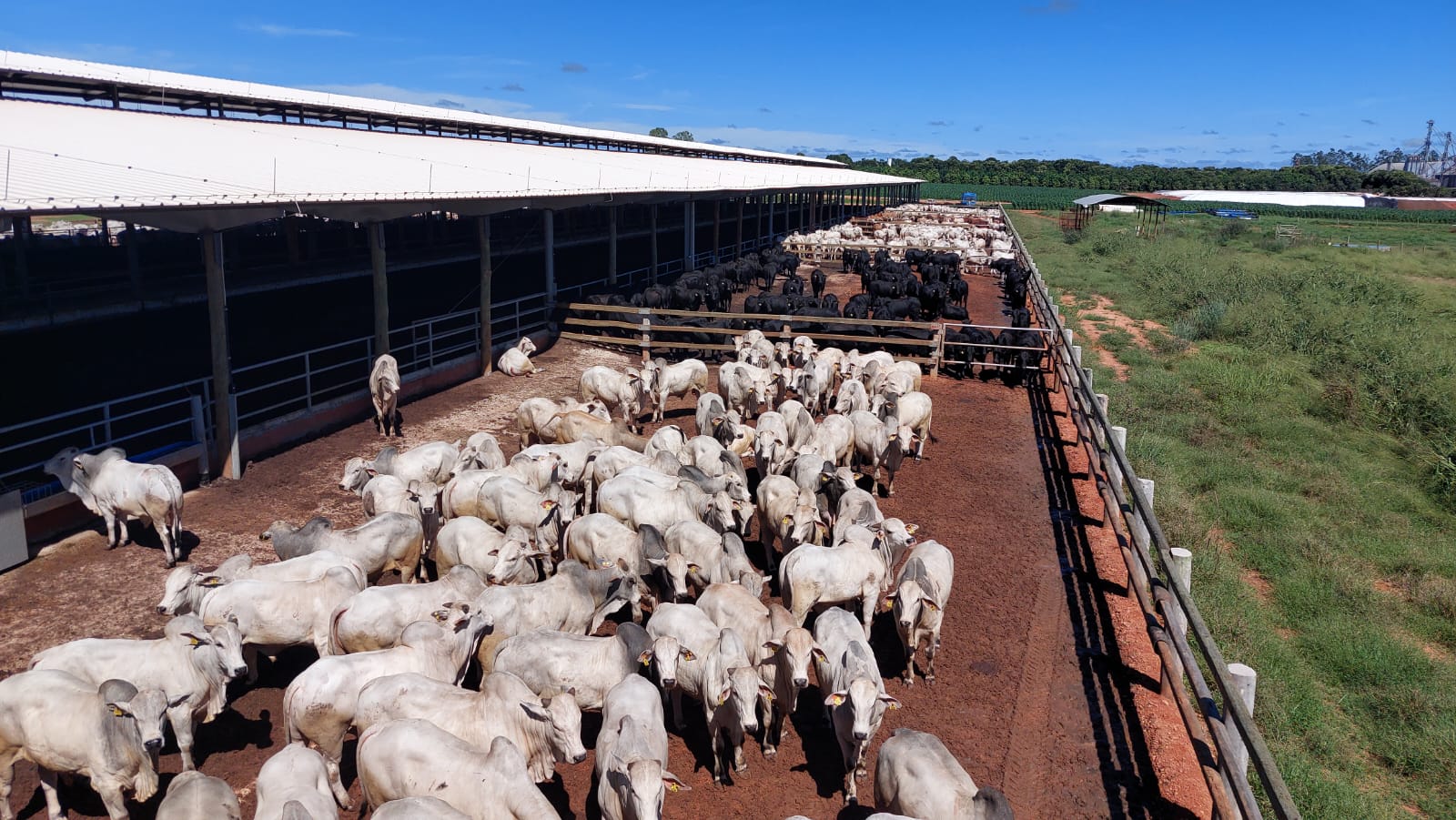
The system centralizes, in a single location, animal welfare, feeding, and waste management. In addition to providing greater comfort for the animals, it helps reduce sanitary issues and supports improved productive performance.
After the usage period, the composted material is transformed into high-quality organic fertilizer, used in agriculture to enhance soil fertility and contribute to plant health. This strategy strengthens the integration between livestock and crop production, consolidating a circular and sustainable production model.
The Adaptation of Compost Barn in Brazil
The model originated in the United States around the 1980s, in the state of Virginia, initially focused on dairy production. In Brazil, the first conventional Compost Barn system was built in 2012, in the state of São Paulo. Since then, its application has expanded in dairy farming, especially in the states of Minas Gerais, Goiás, Paraná, Santa Catarina, and Rio Grande do Sul.
In tropical and subtropical regions, such as Brazil’s Midwest, challenges are even greater due to high temperatures and elevated relative humidity throughout much of the year. Under these conditions, proper bedding management becomes the key factor for the success of the system, ensuring efficient aerobic decomposition and operational stability.
Bom Futuro’s Compost Barn
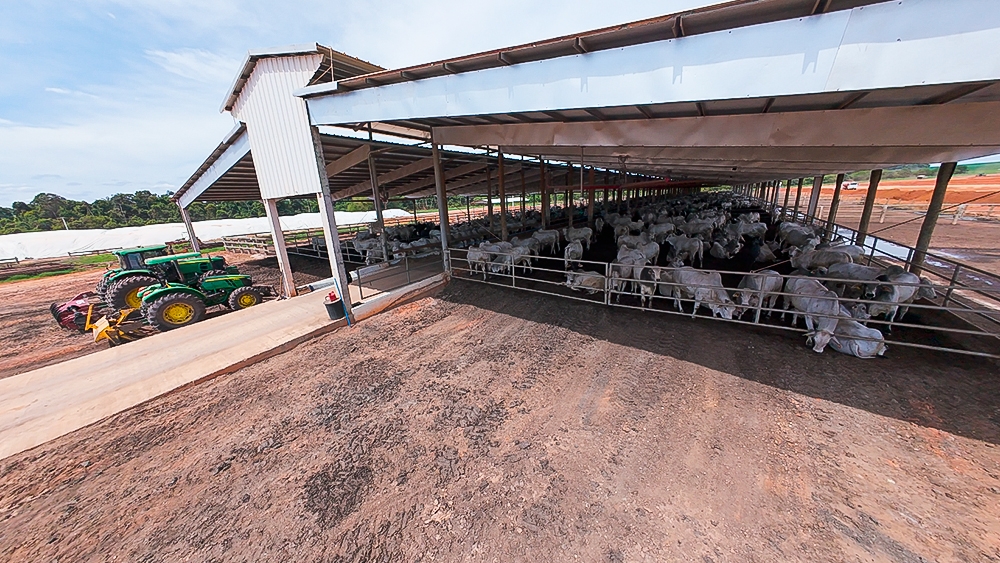
In an innovative approach, Bom Futuro structured the Compost Barn system by incorporating beef cattle production into this intensive farming model. At the Agromar production unit, located in São José do Rio Claro, Mato Grosso, the first facility was implemented in 2025, with capacity for 1,500 animals.
The first finishing cycles demonstrated what the literature had already indicated: animals achieved better feed conversion rates and, consequently, greater economic efficiency in the use of animal nutrition inputs. This also resulted in a shorter finishing period within the system.
Animal welfare is enhanced through temperature control using ventilation systems and daily bedding management, which prevents the formation of mud or dust. In addition to routine management visits, the animals are monitored 24 hours a day through camera systems.
Stocking density is carefully planned to ensure that each animal has enough space to express its natural behavior, not only under the covered structure, but also with daily access to sunlight for a short period of time.
The Compost Barn system also generates high-quality organic compost, currently used across 5,000 hectares of agricultural crops. This organic compound is rich in phosphorus and nitrogen, providing an excellent supply of organic matter for soil recovery and fertilization.
With the results achieved — both through finished cattle and organic compost production — economic expectations have been met, leading the project into an expansion phase. Eight additional barns are planned, reaching a total static capacity of 12,000 animals.
In this model, materials that would otherwise be environmental liabilities are transformed into opportunities for regenerative agriculture. The system optimizes cattle production, shortening the finishing cycle by 30 days, while the high stocking rate reduces the need for extensive land use in livestock operations. Bom Futuro remains committed to producing protein with respect for animal welfare, following best practices, ensuring meat quality, and continuously pursuing more efficient and sustainable production methods.
References
https://sebraeplay.com.br/content/implantacao-do-compost-barn?
https://ext.vt.edu/content/dam/pubs_ext_vt_edu/442/442-124/BSE-356.pdf?
EDITORIAL TEAM
Dayla Scheffer — Zootechnician
Nahzir Okde — Agronomist
Nathalia Mamedes — Agronomist and Public Relations Professional
Marcelo Borges — Journalist